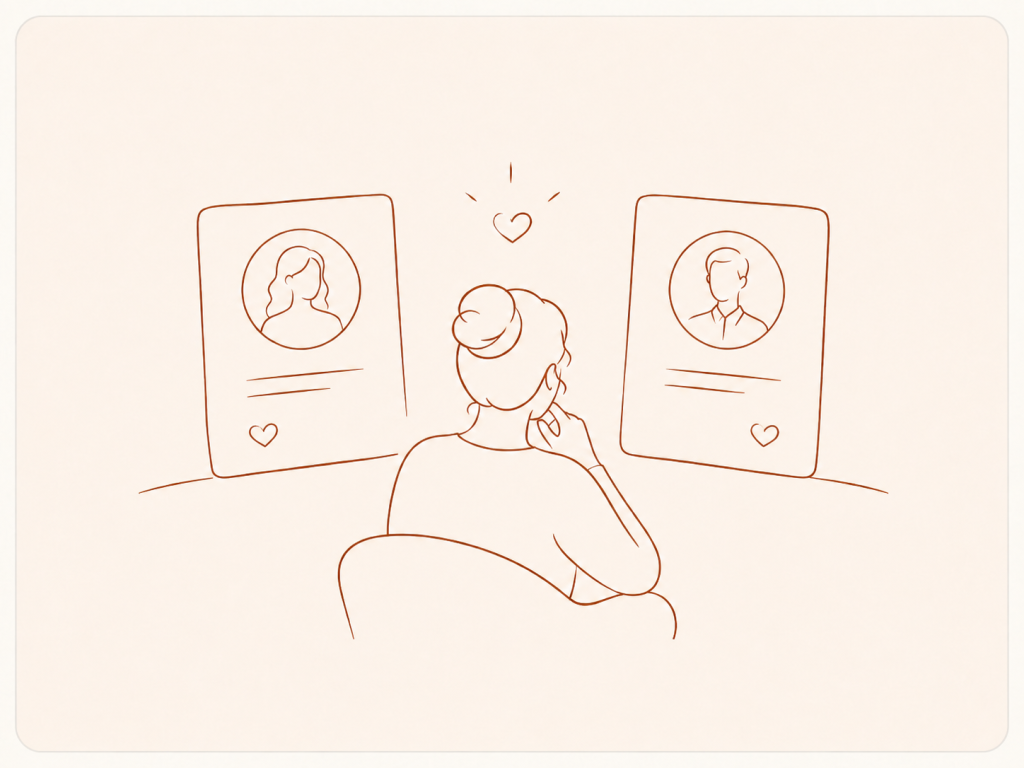
Therapy, when boiled down to its core components, involves opening up to a stranger and trusting them to help you with your inner thoughts and feelings. Thus, choosing the right therapist for you is one of the most important parts of the therapeutic process. Your therapist is someone who you should be able to trust, open up to, and feel comfortable with. Having confidence in not only the process to healing but also in the therapist guiding you is essential to a constructive and healthy process. After all, this is someone you will likely be meeting weekly and someone you have to be honest with, so finding the right one for you is often an important but overlooked process. In the search for a compatible therapist, there are many factors to consider that can heavily influence the effectiveness of the treatment.
What to expect from your therapist?
In the process of finding your therapist, it is important to understand what a therapist can and can’t do. Understanding a therapist’s boundaries means that you aren’t expecting them to do the impossible, like create an instant and permanent change in you. These expectations can also help formulate what you want most out of your therapist, especially because different therapists have dramatically different approaches to treatments.
A therapist can offer a listening ear, provide you with skills that help you cope with life’s difficulties, provide new perspectives to your problems and offer direction on how to find services that they can’t provide themselves. However, therapy is a commitment that is long-term. Understanding that no therapist can erase your pain instantly or change the behaviour of other people in your life means that you are approaching your therapist with problems that can be addressed.
There are also ethical considerations that your therapy must abide to. For example, you can trust that what you say in the room stays in the room and your therapist will not disclose your personal information to others. However, the exception to this rule is if your therapist believes that you are putting yourself or someone else in immediate and severe danger, in which case they are legally obliged to tell you that they need to contact the authorities. Your therapist will go through with you in detail about these nuances, such as the expectations of the relationship, the aspects of informed consent, and other concerns you may have.
Practical considerations
There are several factors that play a major role in the fit between you and your therapist that go beyond emotional compatibility. There are also more practical factors of the client-therapist relationship that needs to be considered.
Obvious considerations are financial factors such as whether your insurance covers therapy is something to look into, as therapy is usually a commitment and a long term process. Therapists often have their own office or practice, so location is another factor to consider as well.
On the therapist’s side of things, it is important to look at their experiences and qualifications. For example, how long they’ve been doing therapy, if they have a license, and where they got their education from. These licenses exist to protect the public from unqualified practitioners that provide faulty information, so making sure that your therapist is equipped to deal with therapy is important for your interests as well.
Personal considerations
Because you will have to open up to your therapist throughout a long period of time, usually meeting weekly in the process, it is critical that your therapist is someone that you are comfortable with. If you feel as though you need to withhold information or lie to your therapist for any reason, you may want to reconsider your choice of therapy. The relationship between client and therapist is built upon trust and openness, so being able to be fully honest is a critical component of the process.
Typically, therapists will have profiles online through their affiliated associations. It may be beneficial to sit down and read through all of them, and make note of the ones that pop out to you. Perhaps one therapist has a specialty in your current problem, or another therapist has a background that is similar to yours. Whatever the case, having a general idea of who you will be trusting your problems with helps with opening up as the weeks go on.
In this case, your gut feeling plays an important role, as when you talk to someone and you feel an immediate and strong connection, there is a strong chance that the therapy will be constructive. Conversely, if you feel as though you are unable to be honest and open up to the therapist for any reason, it may be the fault of a poor rapport between you two.
Treatment orientations
There are a wide variety of different approaches to therapy, each with varying degrees of effectiveness depending on your personal match with them. Some approaches are more psychoanalytic and psychodynamic, looking into your past and learning about how your past events have shaped the emotions you feel in the present. Other approaches are more cognitive and behavioral based, looking at your thought processes and perceptions of life and helping you understand your perspective and provide some alternatives. There are even more abstract forms of art therapy, using music, art, and drama to help you alleviate your strong emotions by allowing you complete freedom of expression.
Therapists usually have one approach that they specialize in, and that approach may or may not be a good fit for who you are. If you personally do not want to talk about your childhood and past, perhaps a psychodynamic approach may be difficult to adapt to. If you do not believe in the efficacy of art as therapy, it will not be effective to commit to art therapy anyway. However, many therapists take an integrative approach to therapy, usually blending together different approaches and using whatever one is most suitable for you.
If you are looking for medication, Psychiatrists are the only therapists that can prescribe medication to their clients, while psychologists focus on the brain and how it affects behaviours, administering diagnostic tests to clients.
Conclusions
A big part of the long-term process is being vulnerable: you are likely going to be telling your therapists things that you do not tell to anybody else. The more comfortable you are, the smoother the process is going to be, as they will be better able to understand your thought processes and challenge you to be a better person. Therapy will always be a safe space for open conversation, and choosing the right person to open up to is an often overlooked but extremely important part of the process.