Counselling
Who Do Therapists Turn to When They Struggle?
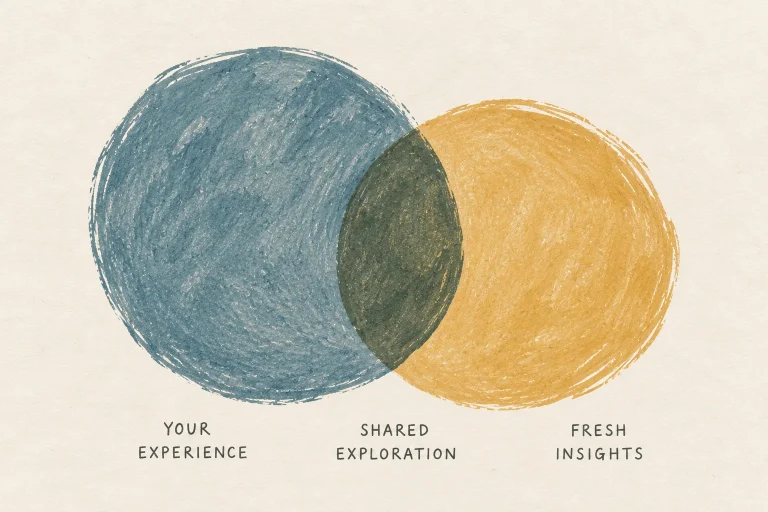
Therapists also have moments of uncertainty or feeling stuck. Clinical supervision offers a space to reflect on the work and notice what may be difficult to see when you are too close to it.

Latest post
Counseling and psychotherapy often overlap. What matters most is not the label, but your needs, goals, and whether the way of working feels right for you.
Read moreTherapists also have moments of uncertainty or feeling stuck. Clinical supervision offers a space to reflect on the work and notice what may be difficult to see when you are too close to it.

Your first therapy session does not require a perfect story. You can begin with confusion, unanswered questions, and whatever feels most difficult right now.
Clients may leave therapy for many reasons: poor fit, emotional overwhelm, feeling they have received enough, or simply changes in everyday life.
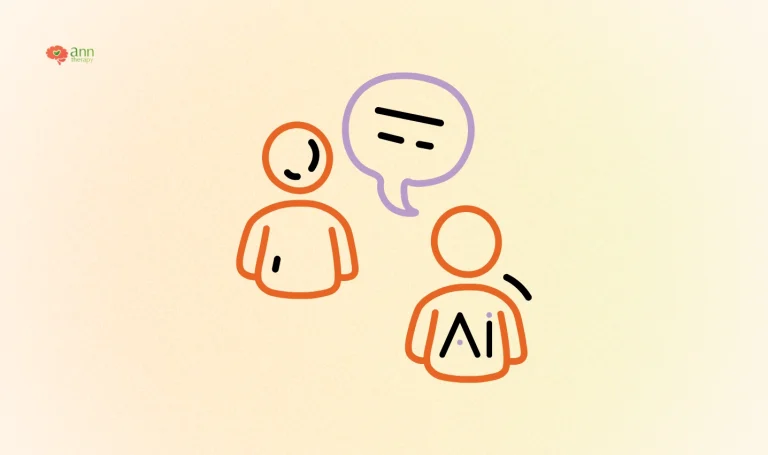
Why does talking to AI feel so comforting, and what happens when those conversations gradually begin to replace our connections with other people?

Couples counselling can help us notice recurring patterns, understand what lies beneath conflict, and respond differently to what has become familiar.

Past wounds can shape how we see and respond in a new relationship, sometimes making a current partner carry fears that began long before them.

We'll be closed for Vietnam National Day from August 30 to September 2, reopening on September 3, 2026.

Emotional maturity is not about always staying composed, but about understanding ourselves more deeply and developing greater choice in how we respond.

When constantly helping others becomes a fixed role, relationships can gradually lose their balance and leave both people emotionally exhausted.
Brain fog can affect focus, memory, and mental clarity. Understanding its possible causes can help you recognize when your mind and body may need more rest and support.
Self-gaslighting can make us question and dismiss our own emotions. Recognizing this pattern is a first step toward understanding and responding to ourselves with greater care.
Therapy is not only for times of crisis. It can help you understand patterns, emotions, boundaries, and how you relate to yourself and others.
In a world that constantly celebrates milestones and visible success, stillness can easily become a source of unease. There are […]
Many clients, when preparing to book or start their first session, feel an invisible pressure: “What should I say?” or […]

If you’ve ever found yourself asking this question, this post is for you. Understanding the overlap and the distinct boundaries […]

Many still carry the stigma that counseling and therapy should be reserved for those who are broken and need to […]
Therapy, when boiled down to its core components, involves opening up to a stranger and trusting them to help you […]
🧡What is Emotionally Focused Therapy (EFT)? Emotionally Focused Therapy (𝗘𝗙𝗧) or Emotionally Focused Therapy is an experimental, humanistic, and systematic […]
🧡 What is Acceptance and Commitment Therapy (ACT)? Acceptance and Commitment Therapy (ACT) or Acceptance and Commitment Therapy is an […]
🧡 What is EMDR? EMDR is a structured therapeutic approach designed to help individuals process traumatic memories and emotions. It […]